OUR LODGE

THE ESTATE
A family estate whose wines express
all the typicity of Touraine!
A bit of history
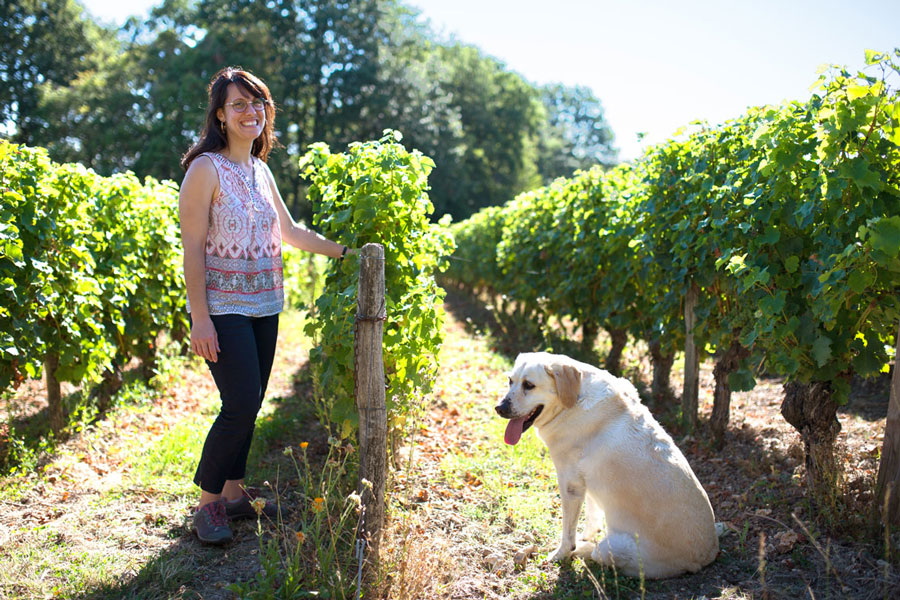
Ludivine represents the 4th generation to run this family estate with passion, modernity, and respect for tradition. Before Ludivine came…
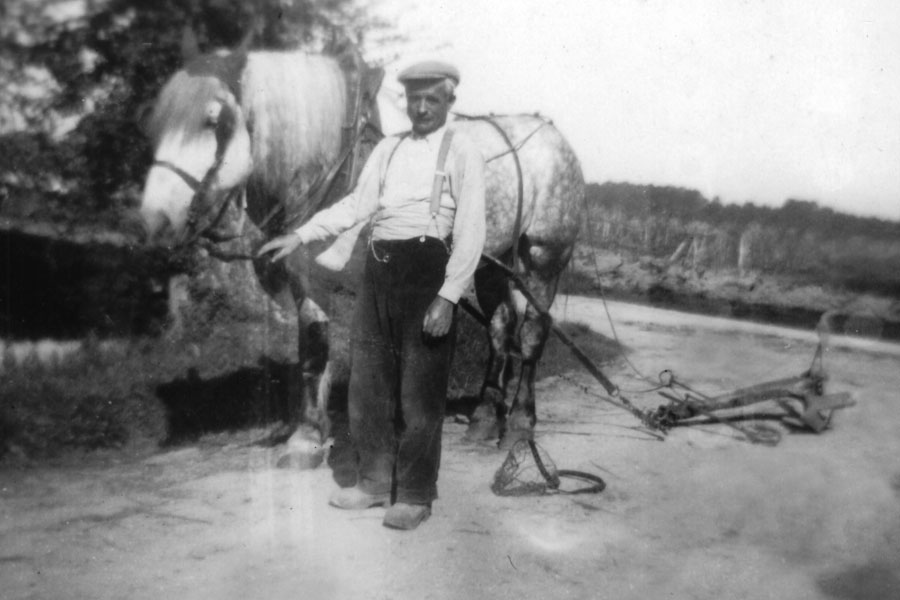
Gérard DELAUNAY, her maternal great-grandfather. At that time, he cultivated vines as well as farmland.
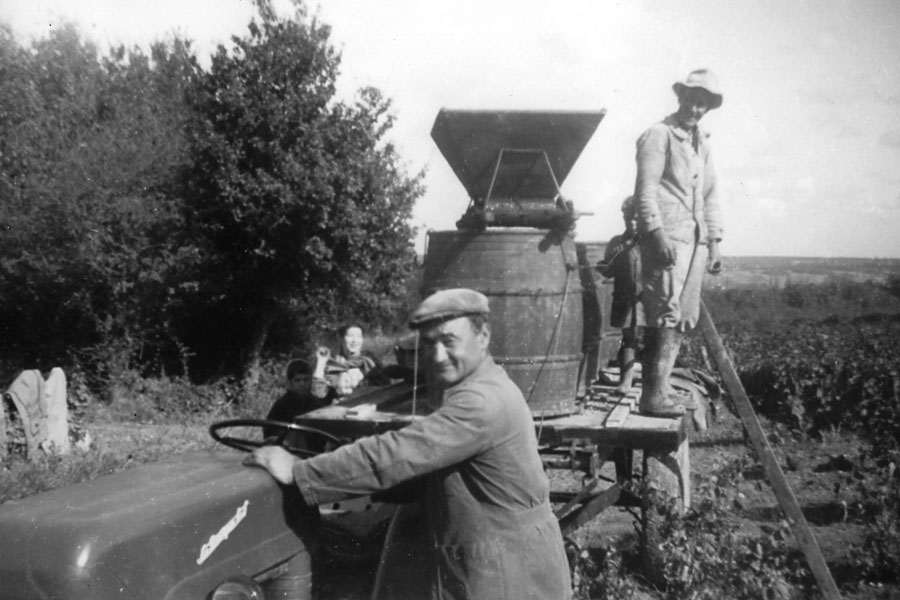
Jean MARTEAU, her paternal grandfather, developed the Estate, initially with bulk sales. He also built part of the vinification cellar attached to his dwelling. He passed away in his 93rd year, having lived a beautiful life.
Jacky Marteau, son of Jean and father of Ludivine, took over the estate in 1977 after working several years on the family estate. He developed bottled wine sales and later opened exports around 1985. After more than 30 years of work, the estate has established itself as a quality reference, with its white Sauvignon as its emblem, representing over 60% of export sales. Jacky Marteau now enjoys a well-deserved retirement, although he continues to help the estate from time to time – a winemaker is never truly retired!
Ludivine MARTEAU began her viticulture and oenology studies at the Amboise Viticulture High School, where she trained from 1999 to 2003. She then continued with a Technical-Commercial degree in Beverages, Wines and Spirits in Angoulême, in the heart of cognac country. Eager to broaden her horizons and perfect her English, she chose to spend a year in the United States, then a year in Israel.
Ludivine took over the estate with her brother Rodolphe in 2010 after several years working alongside their parents. Ten years later, Rodolphe chose to change his life and left the estate to settle on the other side of the world, in New Caledonia.
Since 2020, Ludivine has been running the family business alone, surrounded by a close-knit team. She is now in her sixth year of solo winemaking.
Our Terroir
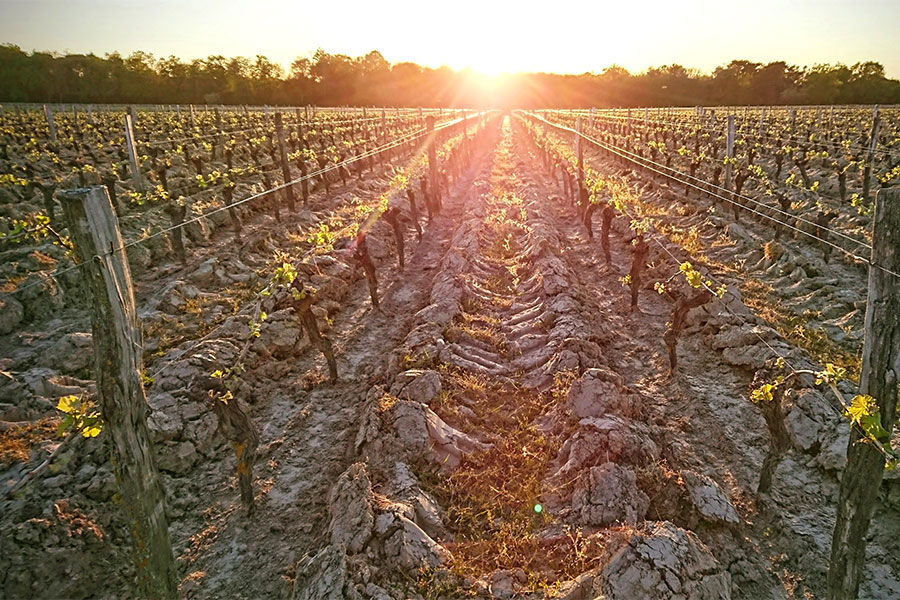
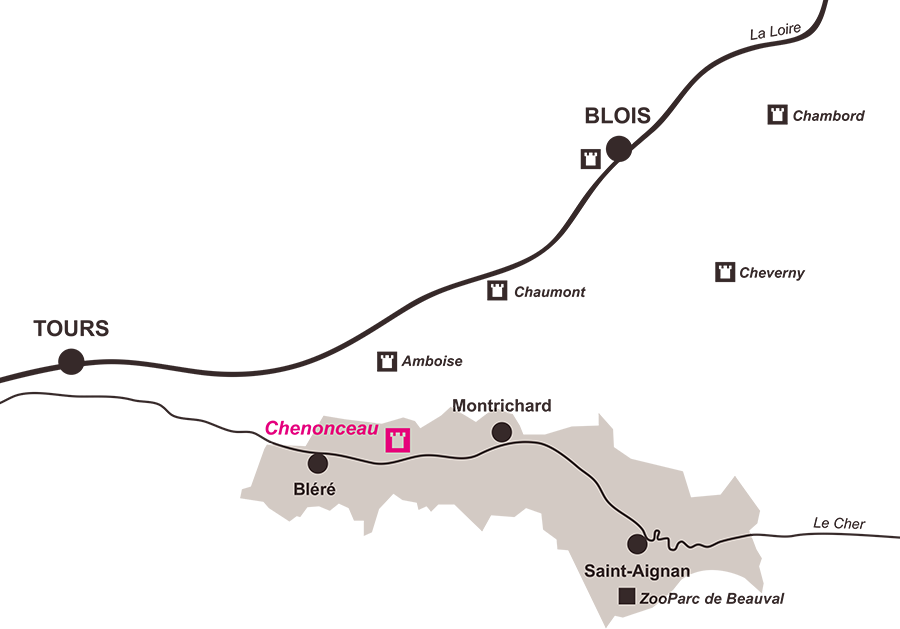
Our wine estate is located in the commune of Pouillé (41), on exceptional terroir of the Cher hillsides. We benefit from oceanic influences linked to the wide valleys of the Loire and Cher, which moderate climate extremes throughout the year from spring to harvest.
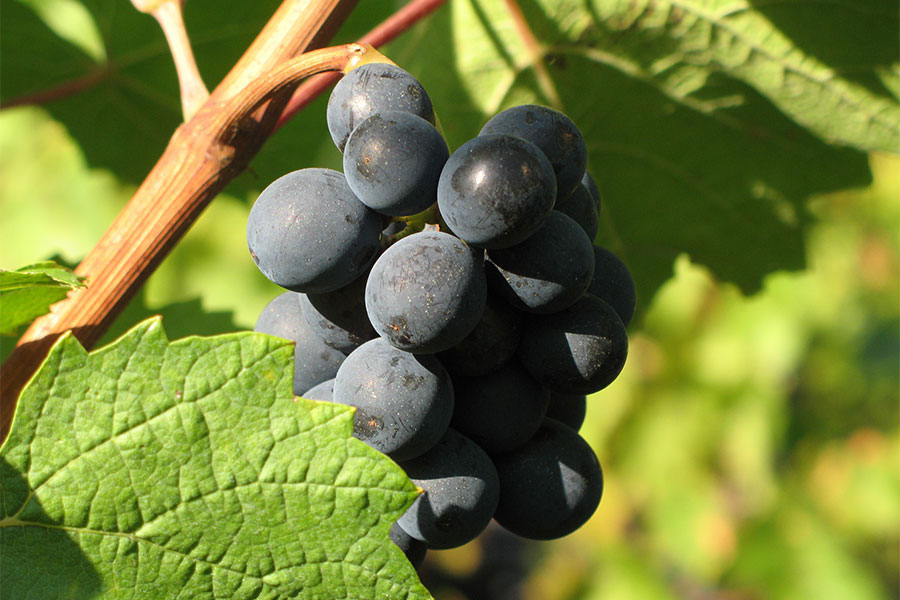
Over the years, our production area has expanded to now reach 29 hectares, including 20 hectares of Sauvignon Blanc and 3.5 hectares of Gamay, our two main grape varieties.
In planting our vines, we have always respected the match between grape variety selection and the pedology of our soils in order to extract the quintessence for the expression of our wines.
We find essentially two main soil types:
- “Perruches” or clay-flint soils which represent more than 80% of our vineyard’s surface area. These first-slope soils, due to their stone content, warm up very quickly in spring and allow high grape maturity levels. They are very well-draining, light, and vine rooting is very easy. These roots can explore deep layers and extract mineral elements that will bring complexity to our wines.
- “Bournais perrucheux” or soils derived from clay-flint, mixed with Miocene sands. They are located on the edge of the plateau extending from the first slopes. They are more clayey on the surface and bring aromatic delicacy to our wines.
Focus on the Touraine Chenonceaux appellation
Recognition as Touraine Chenonceaux Appellation came after several years of rigorous work selecting the best terroirs and the cuvées produced from them. The passion and quality efforts of the winemakers, convinced they hold a unique product, are now rewarded.
2011 was marked by the first AOC Touraine Chenonceaux harvest, marking a new chapter.
We own certified parcels in white (Sauvignon) and red (Cabernet Franc and Côt) and therefore offer you two cuvées in Touraine Chenonceaux: La Chipie cuvée and Tandem cuvée. The wines we produce come from our best terroirs, and we favor longer aging, ranging from 18 to 24 months.

Vineyard Work
Certified “High Environmental Value” (HVE), our vineyard is managed with a constant quest for quality: short pruning, return to soil cultivation on the majority of the vineyard, severe debudding, leaf removal, green harvesting…
The quality of the raw material is essential to produce good wine.
Focus on debudding
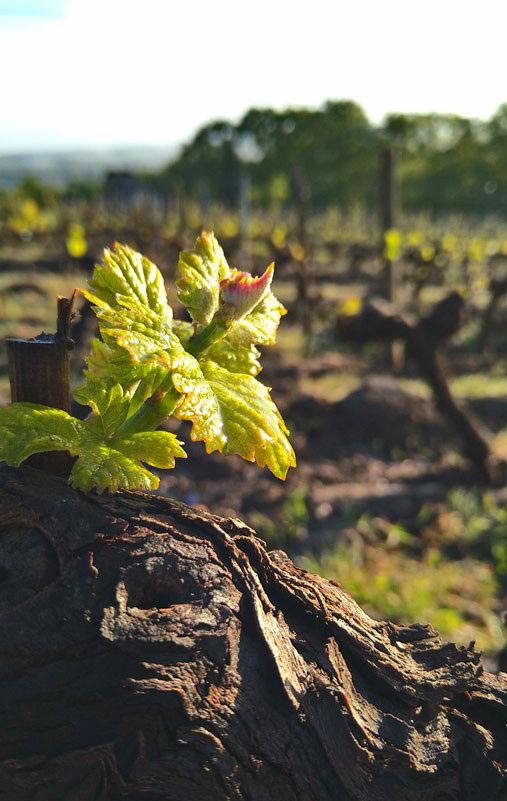
- We attach great importance to green work and particularly to debudding.
- We spend more than 2 months debudding, at the base and at the top. The reasons and benefits are multiple:
- Limit vegetation clustering for better vine aeration and reduced risk of cryptogamic diseases during the season.
- Control yields to ensure better grape maturity.
- Eliminate all unwanted shoots in Spring rather than in winter, to allow better wound healing; thus, limit wood disease risks and prolong vine longevity.
Lucas in full debudding action on his vineyard scooter
Meet « Pompon » !
A team member since 2023, this intelligent electric robot performs part of the vineyard soil work (ridging, inter-row cultivation, mechanical weeding, etc.).
With its two GPS beacons that allow it to geolocate itself, it is 100% autonomous.
Thanks to it, we have eliminated herbicides on 2/3 of the vineyard.
New technology, new challenge, tomorrow is built today!
Info: Official name “Bakus” but we thought Pompon was cuter, right?! Plus, it was a nod to Joël and Daniel’s last draft horse, historic team members.
The project is co-financed by the European Union.
Europe invests in rural areas.
Cellar Work
In the cellar, we try to combine modernity and tradition through proven methods such as temperature control, skin maceration, micro-oxygenation…
We use a pneumatic press for gentler and better-controlled juice extraction.
On part of the whites, we perform skin macerations, a natural way to reduce must acidity but also to bring more aromas and richness to our wines.
The cellar is stainless steel for better work quality and hygiene. All tanks are temperature-controlled to perfectly manage temperatures, whether during vinification (cold settling, fermentation monitoring) or during wine aging.
For reds, macerations are for manual harvests or semi-carbonic for destemmed harvests. Between alcoholic fermentation and malolactic fermentation, we use the micro-oxygenation technique to soften tannins and round our wines.